Table Of Content

So, if the car in front of you slows down, you'll need to step in and adjust your speed manually. This trusty system comes standard on most cars and is great for saving some fuel on those long road trips. You just set the speed you want, and it'll keep your car cruising along at that speed, no problem. It's perfect for those long drives on open highways, but it doesn’t automatically react to other cars on the road. This step will vary widely based on your vehicle make and model, however, many cruise control settings are accessible from the steering wheel controls. Cruise control has come a long way since first invented and patented by Ralph Teetor in 1950, who originally named it the “Speedostat”.
How Cruise Control Systems Work
If no vehicle is detected in your path, the feature works like regular cruise control. In heavy traffic, on winding roads, going downhill and when approaching a bridge. Overall, the future of cruise control technology holds promise for creating a more seamless and enjoyable driving experience, with a focus on safety, comfort, and sustainability.
Setting the Gap
Using forward-pointed sensors, cameras, or both, adaptive cruise control maintains your preset speed while constantly monitoring the vehicle in front of you. However, the kicker is, it automatically slows and accelerates to maintain a predetermined following distance. More sophisticated adaptive cruise control systems can bring your car to a full stop If necessary. Even more advanced systems will automatically get your vehicle moving again once the car ahead travels forward, though sometimes with the tap of the gas pedal. Using cruise control lets you set a speed for your car to maintain even if you take your foot off the gas.
How To Repair Your Car Roof After Hail Damage
The invention of cruise control can be traced back to the late 1940s and early 1950s, when engineer Ralph Teetor developed the first-speed control system. This innovative feature was designed to help drivers maintain a steady speed, reduce fatigue while driving, and improve fuel efficiency. Over the years, cruise control technology has undergone significant advancements, leading to the development of sophisticated systems like adaptive cruise control. This feature allows drivers to adjust the vehicle speed easily, so they don’t have to constantly press the accelerator pedal. This is very convenient when driving long distances on relatively straight toll roads or highways. Cruise control is a handy feature for drivers that allows you to maintain a constant speed without having to keep your foot on the gas pedal.
It can also be dangerous in heavy rain when there’s a risk of aquaplaning. Different makes and models of cars may work in slightly different ways, but many vehicles will follow the same basic steps. Because you don’t have to keep your foot on the accelerator, it’s easier to nod off – and lose control of your vehicle. Many of us would admit that we’re not very consistent in maintaining a steady speed on the road, even on motorways. Cruise control is designed to be used on A-roads and motorways that don’t have frequent stops and turns to negotiate. Driving while fatigued is never a good idea, but even less so while using cruise control.
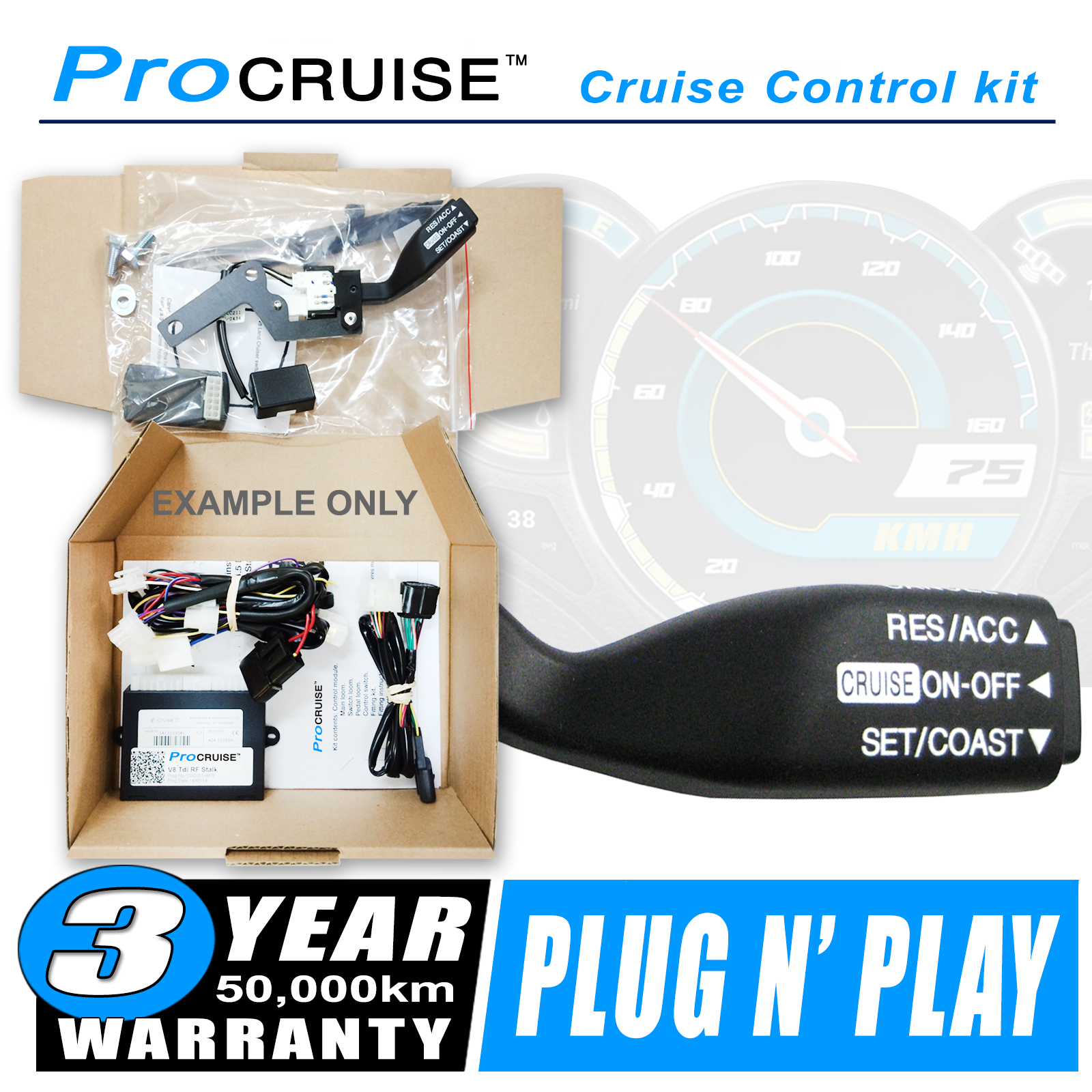
Some manufacturers include three settings, while others can have up to five. If you have ACC, the car will automatically brake and accelerate to keep the correct distance while generally maintaining your set speed when possible. Conventional cruise control uses its computer to maintain a speed determined and manually set by the driver with no awareness of or regard for surrounding traffic and conditions. Capable of responding to topographical changes, like going up and down hills, the computer increases throttle pressure or engages the engine brake to maintain the preset speed. Accelerating with the cruise control system in a car is like using the pedal in terms of acceleration rates and should feel familiar. Slowing down is akin to taking your foot off the gas and won’t slow the car as fast as applying the brake.
The Future of Cruise Control Technology
This provides comfort and can help reduce driver fatigue when driving long distances on the highway. Cruise control technology plays a vital role in the development of autonomous vehicles, or self-driving cars. In autonomous vehicles, cruise control systems work together with other advanced driver assistance systems (ADAS) to enable the vehicle to operate without direct driver input. These systems include lane-keeping assist, automatic emergency braking, and collision avoidance systems. Adaptive cruise control uses sensors around the vehicle’s exterior to maintain speed while keeping a safe following distance from the car ahead.
Come up to speed
Why you should never use cruise control in winter - The Globe and Mail
Why you should never use cruise control in winter.
Posted: Mon, 15 Jan 2018 08:00:00 GMT [source]
Mercedes-Benz DRIVE PILOT system pushes towards Level 3 autonomy, allowing drivers to hand over control under certain conditions, like heavy traffic or on highways. It uses a sophisticated array of sensors and cameras, offering a smooth and intuitive driving experience. It’s more advanced than traditional systems but still requires driver attention.
Always exercise caution while driving, and never rely entirely on cruise control. On hot days, the fan speed can be increased to cool the cabin, while on cold days it can be reduced to keep the interior warm. Overall, the Range Rover Evoque is an ideal vehicle for those looking for a reliable and comfortable ride. Our Fiat 500L had not been driven for three months for medical reasons. Even when I succeeded in starting it up, the battery light stayed on. Some cars even do this from a standstill, making traffic jams much easier to deal with.
Occasionally, you may encounter issues with your cruise control systems. Common problems include cruise control not engaging or disengaging unexpectedly. Possible causes may include a faulty brake light switch, malfunctioning sensors, or issues with the control module. If you experience any problems with your cruise control, it's best to have a qualified technician diagnose and repair the issue for you. It's like having an extra set of eyes on the road, making highway driving a breeze. Plus, some ACC systems can even handle stop-and-go traffic, bringing your car to a full stop and then picking up speed again when traffic gets moving.
Cruise control is a valuable feature in many modern vehicles, enhancing convenience and efficiency, especially during long drives. This guide delves into the intricacies of using cruise control, offering expert insights, technical details, safety tips, and more. However, it’s a tool designed to make the driver’s task easier and less stressful. On the other hand, neither conventional nor adaptive cruise control relieves the driver of the ultimate responsibility of safely driving the car. It’s up to the driver to maintain control over the car’s operation.
Cruise control works best on a clear day with constant traffic flow. Cruise control is one feature you’ll want from a good car for road trips and other frequent highway driving. It can not only potentially help you get better gas mileage but also make driving much more comfortable. The system will automatically adjust the speed as needed to maintain a safe distance from the car ahead. To adjust your desired speed, press the + or – buttons on the steering wheel. Then, adjust the speed you want your car to travel at by pressing the + or – buttons.
For a deeper understanding of cruise control and its various aspects, it’s always beneficial to refer to your vehicle’s manual and seek guidance from automotive professionals. If you have a car with manual transmission, there may also be a lever or switch on the shifter that can be used to activate cruise control. Many cars also have an indicator light on the dashboard that looks like a speedometer with the word “cruise” next to it. In conclusion, the Range Rover Evoque is an impressive vehicle, offering a range of features as standard. Before you use it, be sure to familiarize yourself with your cars specific settings by reading the manual and practicing in a safe environment. To use it, make sure your car is in the correct gear (usually Drive or Overdrive) and that the speed you want to maintain is within the cars limits.




No comments:
Post a Comment